
Redraw vs Offset – Which one saves you more?

News
April 27, 2026

Have you ever wondered what the difference is between a redraw facility and an offset account — and which one could save you more on your home loan?

It’s a question we get asked all the time, and the answer can make a big difference to how you structure your finances.

Redraw and offset both help reduce the interest you pay, but they’re designed for different types of borrowers.

A redraw facility lets you access any extra repayments you’ve made directly into your home loan. Because the money sits inside the loan, it reduces your loan balance and interest immediately. It’s simple, effective, and great for borrowers who don’t need frequent access to their surplus funds.

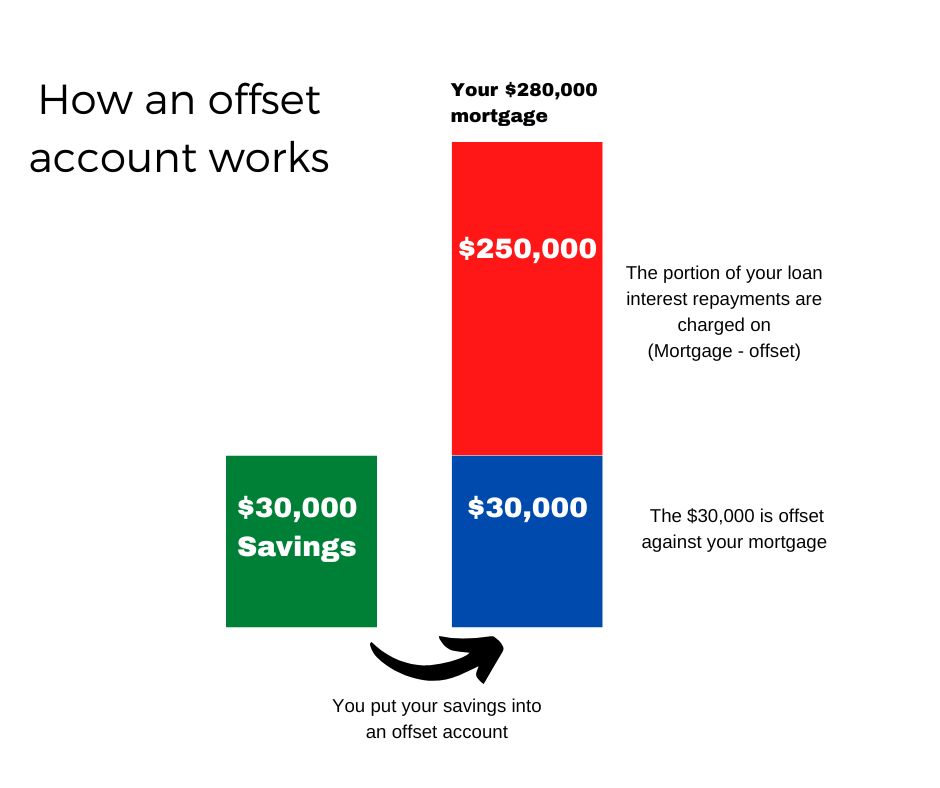
An offset account, on the other hand, works like a regular everyday bank account — but every dollar you keep in it offsets your loan balance for interest purposes. This gives you full flexibility, faster access to your cash, and more control over your savings or emergency buffers.
 

Redraw vs Offset — Which One Saves You More?

Both redraw and offset facilities help reduce the interest you pay on your home loan — but they’re designed for different types of borrowers.

Redraw Facility

A redraw facility allows you to access any extra repayments you’ve made directly into your home loan.

Because the money sits inside the loan, it immediately reduces your principal balance — meaning less interest is charged from that day forward. Since interest is calculated daily, even small extra payments can make a big impact over time.

Why it works:

  • Extra repayments reduce your loan balance
  • Less balance = less interest charged
  • More of your regular repayment goes toward the principal
  • This can significantly shorten your loan term (as long as you don’t withdraw the funds)

Example:
Adding just $100 extra per fortnight to a $500,000 loan over 30 years at 6% interest could cut around 6 years off your loan term.

Redraw is simple and effective for borrowers who don’t need frequent access to surplus funds. However, keep in mind that redraw can come with limits, conditions, or delays — and ultimately, the lender controls access to those funds.

👉 See how much time you could cut off your loan:
https://visionmoney.smartonline.com.au/calculators/extra-repayment-calculator/

Offset Account

An offset account works like a regular everyday bank account — but every dollar sitting in it offsets your loan balance for interest calculation purposes.

For example, if you have a $500,000 loan and $50,000 in your offset, you’ll only be charged interest on $450,000.

Why people love offset:

  • Full flexibility and instant access to funds
  • Ideal for salaries, savings, bill money, or emergency buffers
  • More control over your cash flow

For borrowers who like to keep savings accessible, an offset often provides better long-term value and flexibility.

👉 See how an offset could reduce your interest:
https://visionmoney.smartonline.com.au/calculators/home-loan-offset-calculator/

So, which is better? Both options reduce interest. The right fit comes down to how you manage your money — and how much access you need to your funds.

If you’re unsure which structure suits you best, we’re always happy to run the numbers and tailor it to your situation.

Want to know which option could save you more over the next 12 months?

Book a time to chat

Any advice contained in this article is of a general nature only and does not take into account the objectives, financial situation or needs of any particular person. Therefore, before making any decision, you should consider the appropriateness of the advice with regard to those matters. Information in this article is correct as of the date of publication and is subject to change.